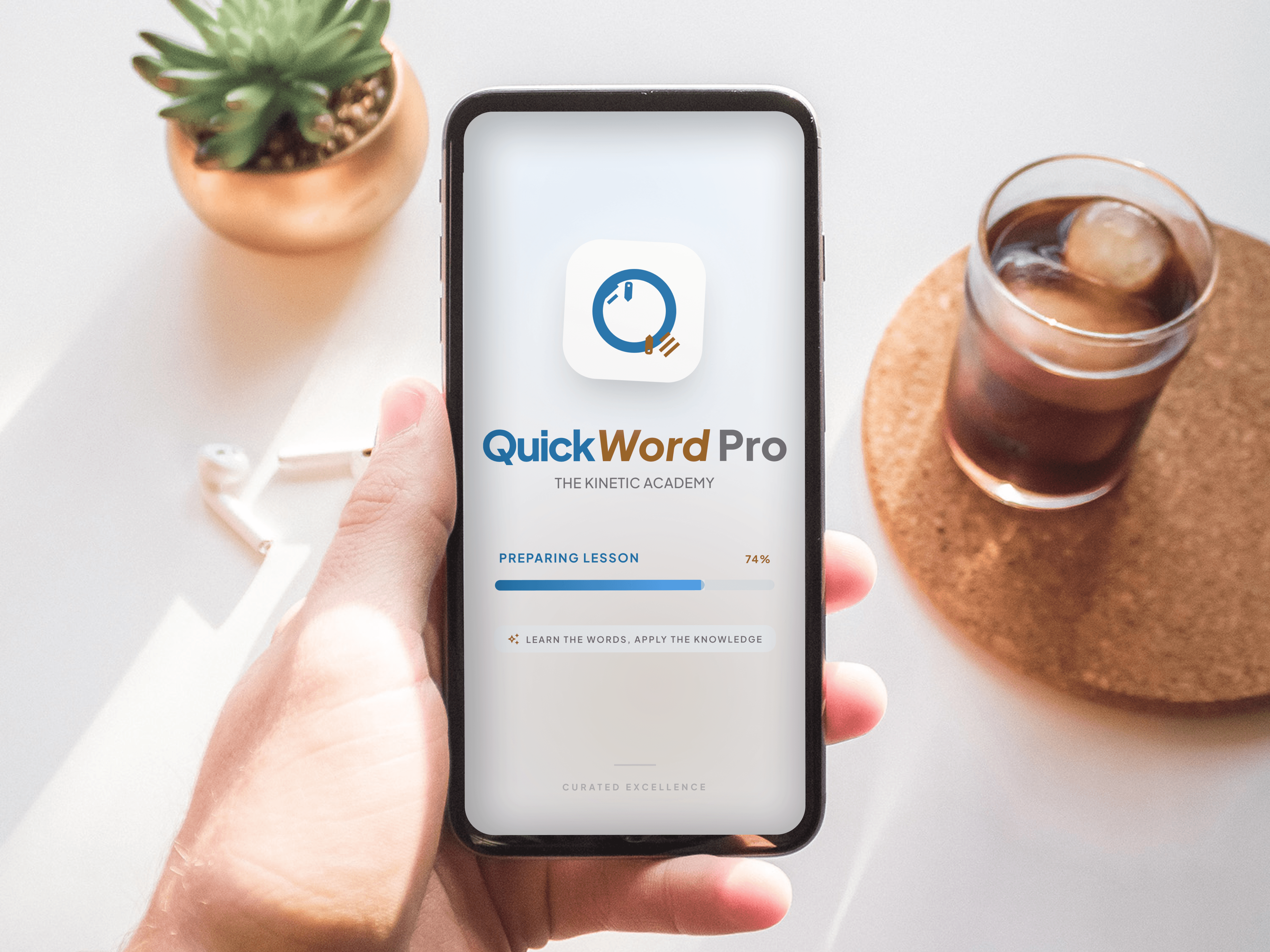
Visualizing Next-Gen Human Integration
Project
AI-Enhanced Strategies
Year
2026
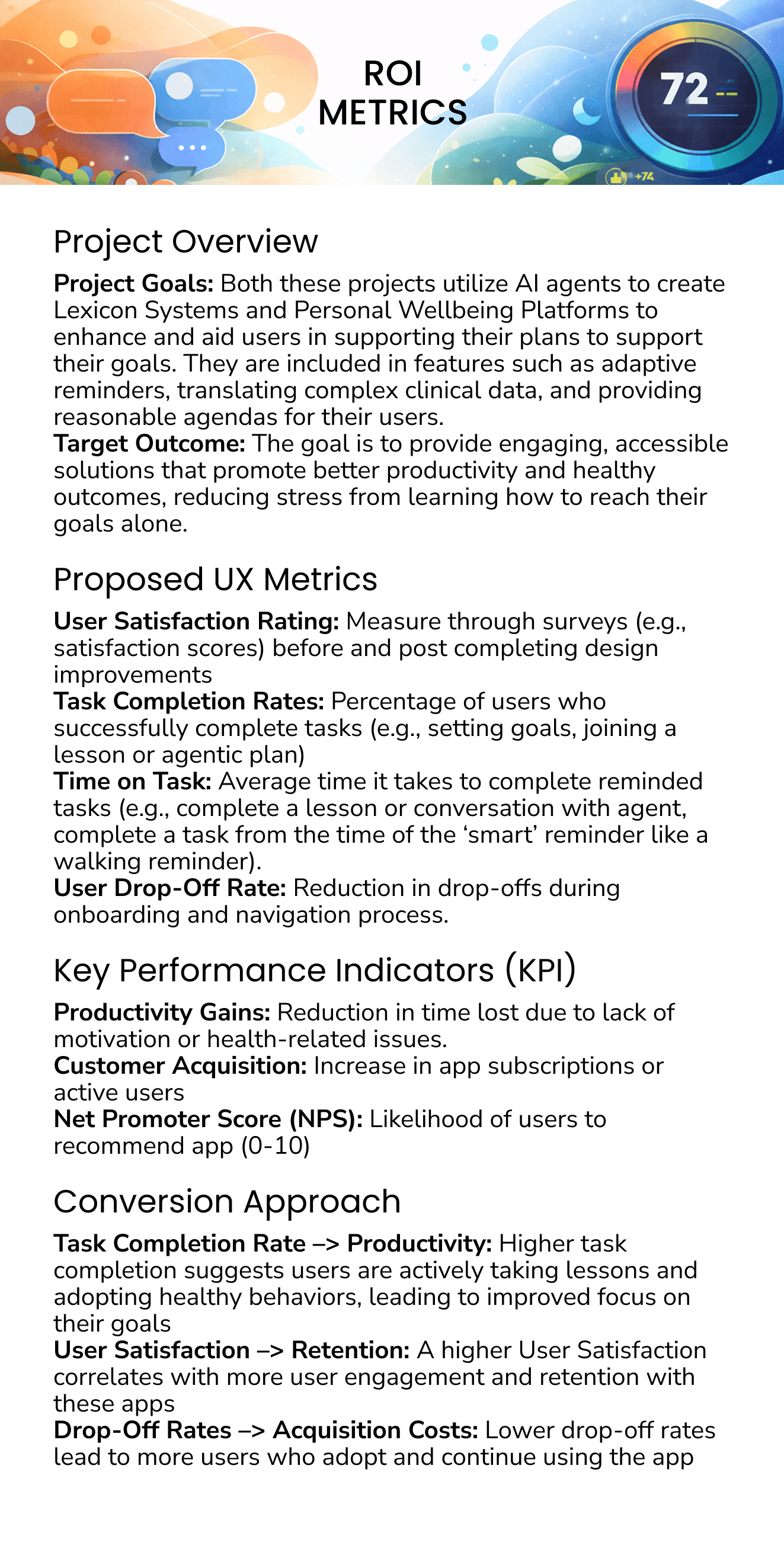
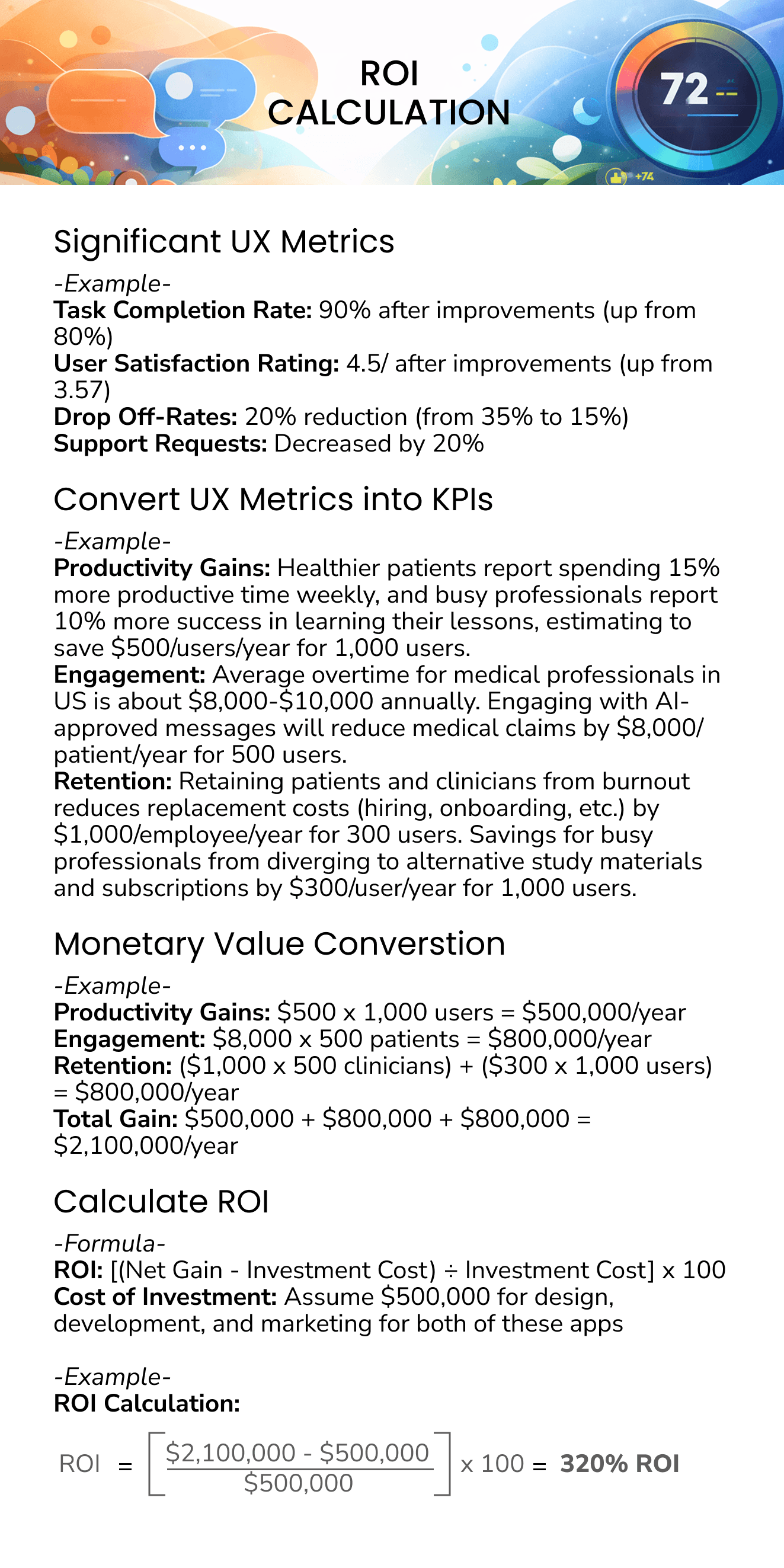
How can AI transform passive interfaces into proactive partners? This case study explores the integration of agentic workflows into the Zenith and Quick Word Pro ecosystems. By implementing features like 'Agentic Matching' to bridge learner isolation and LLM-driven coaching to demystify clinical data, I demonstrate how AI-enhanced strategies create more intuitive, human-centered digital products.
Scope of Work
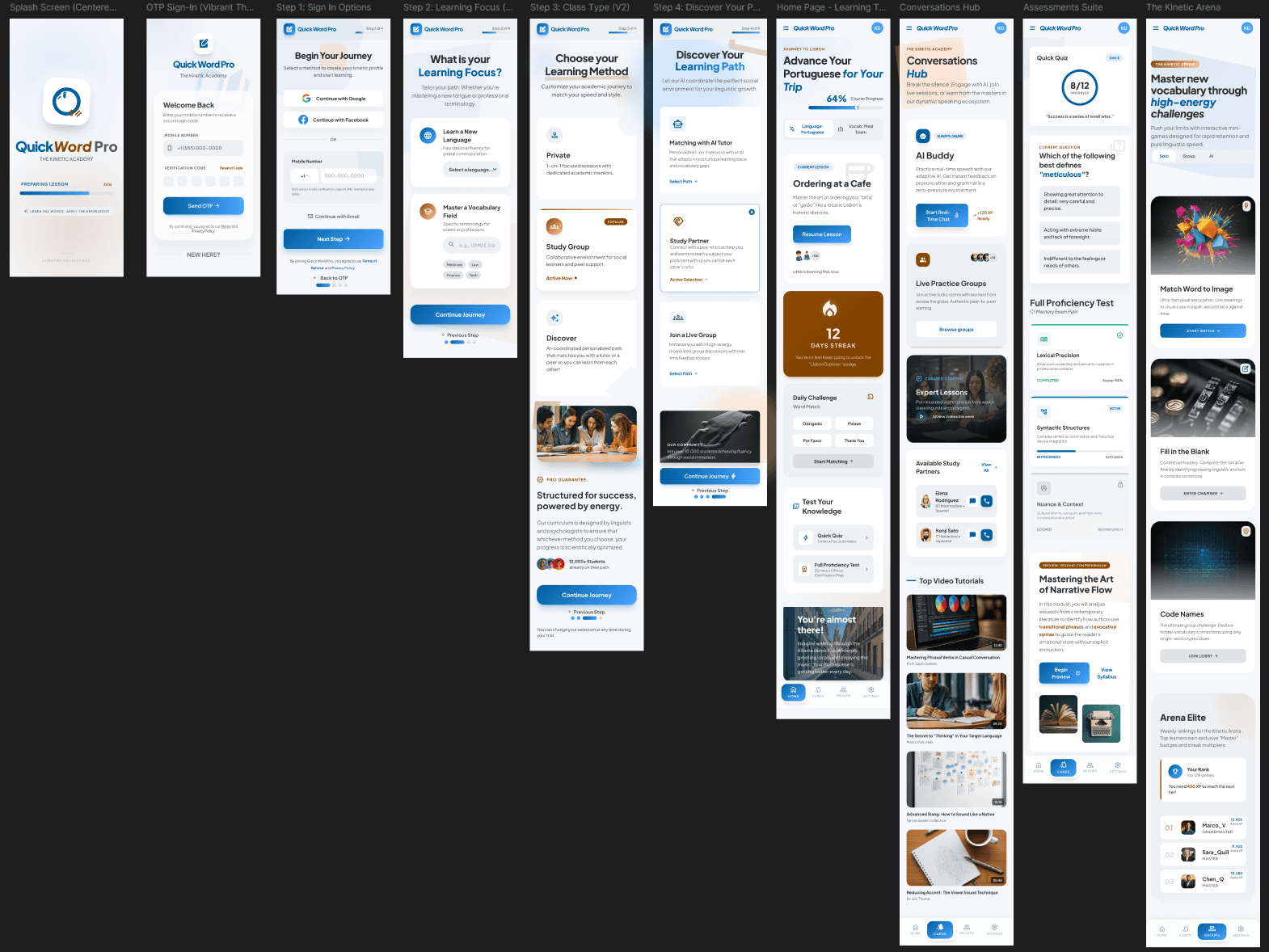
Agentic Wireframes
To accelerate the design cycle, I leveraged AI agents to transition from initial concepts to high-fidelity wireframes. By prompting the agent with specific project goals and user outcomes, I compressed a 3-day design sprint into a 4-hour focused session. This efficiency allowed for more rapid iteration on critical flows, such as the onboarding and home navigation, while maintaining design consistency across the Figma export. After generating basic screens I added more layers to what I wanted to change during the Sign-Up process and home page navigation. Finally, adding UI and images to support guiding the user. There were still some minor updates that, when exported to Figma, gave more consistency to the product.
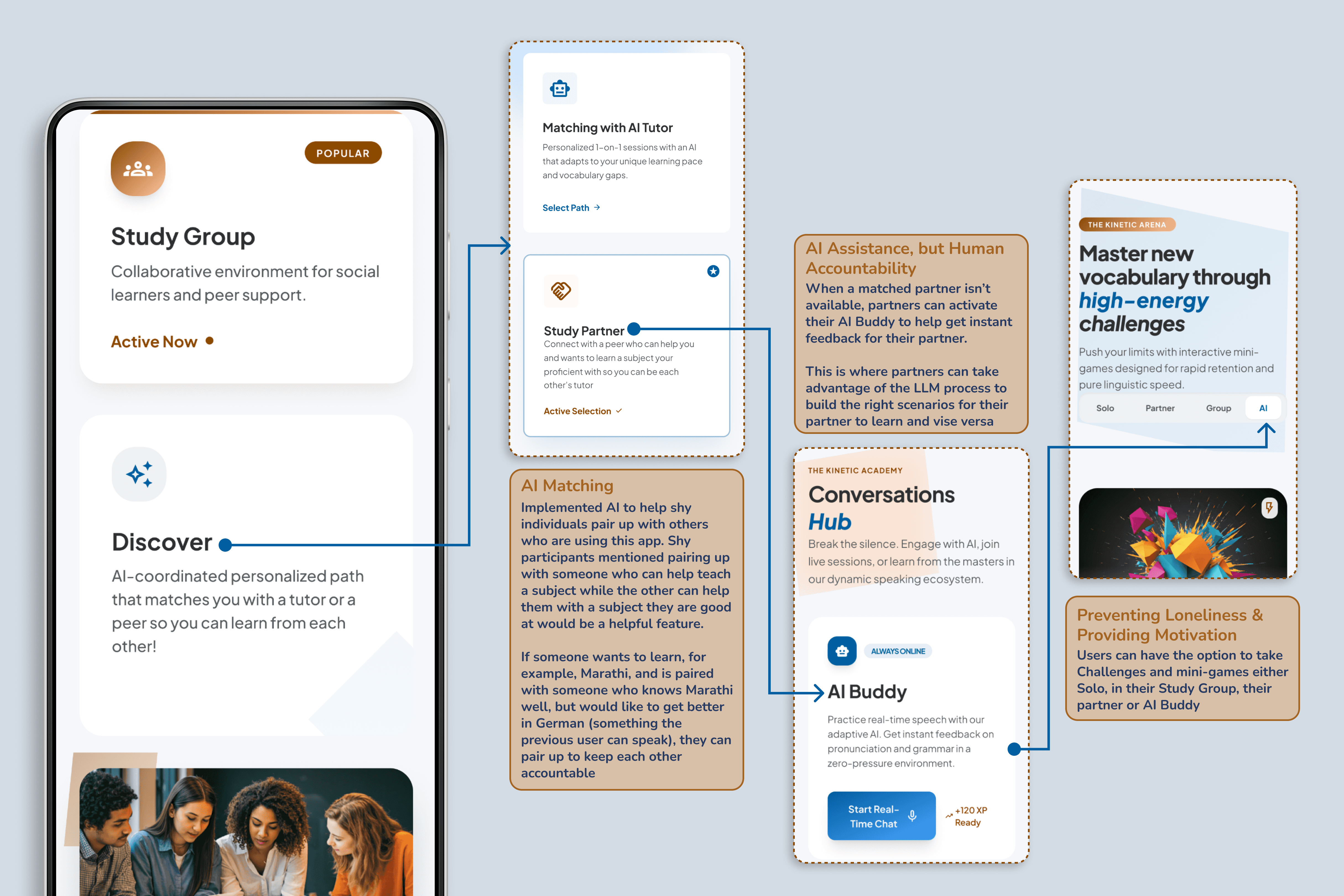
Quick Word Pro AI Implementation
Strategic AI integration within Quick Word Pro addresses key user pain points by facilitating on-demand practice and community connection. Agentic solutions enable a flexible learning schedule while fostering social engagement, ensuring users remain motivated and connected throughout their language-learning journey.
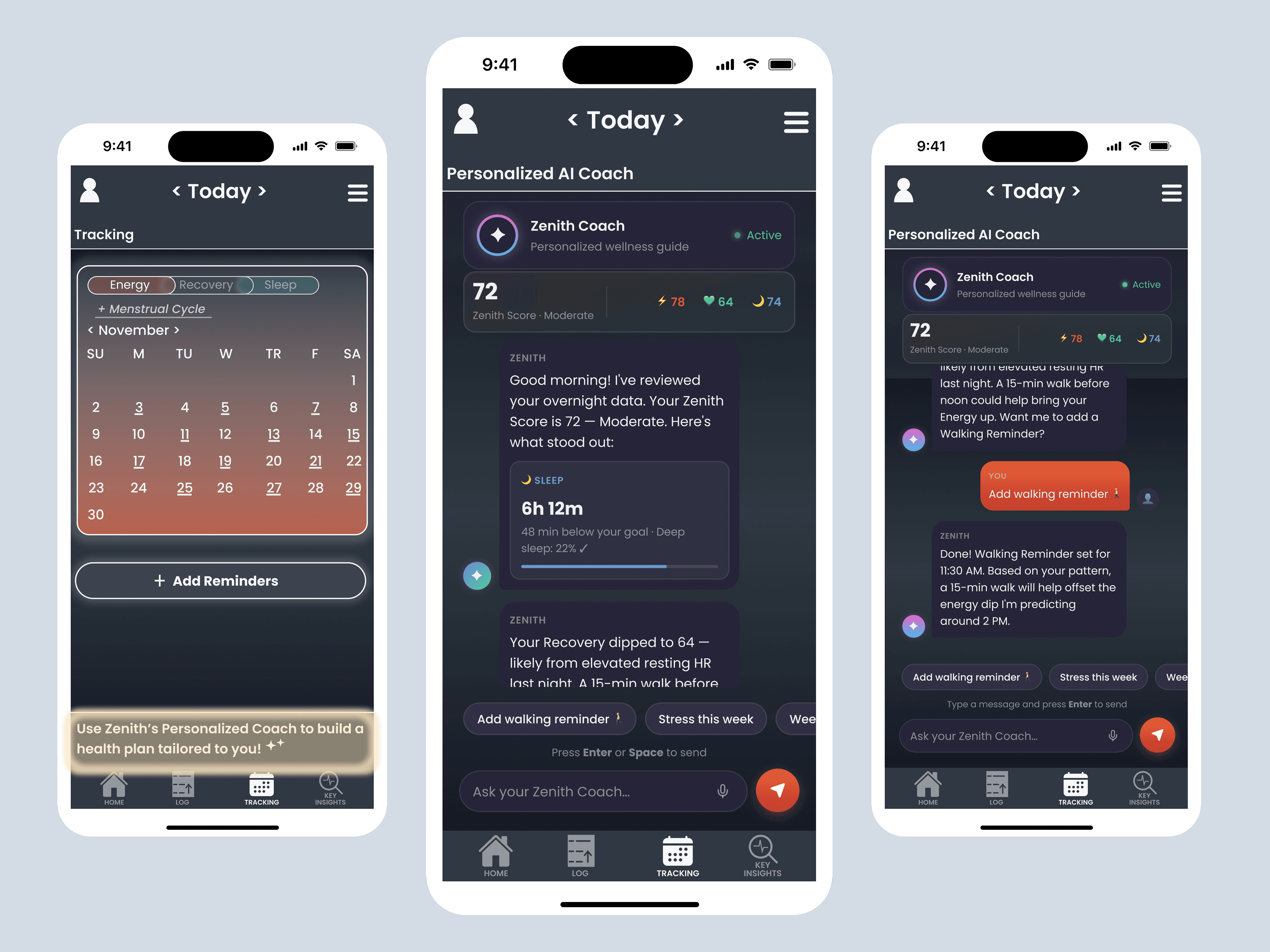
Zenith's AI Coach
This strategy consisted of a more direct approach on using AI to translate clinical data to conversations with potential users. By doing this, Zenith's Personalized Coach helps Zenith become more tailored for the user and creates actionable steps for them to take. You can click the link at the top to view the Chat Interface.
Thanks for exploring these projects with me!